Ombudsman meets Malta Chamber to discuss AI regulation and future of work
Published April 13, 2026
Ombudsman meets Malta Chamber to discuss AI regulation and future of work
Published April 13, 2026
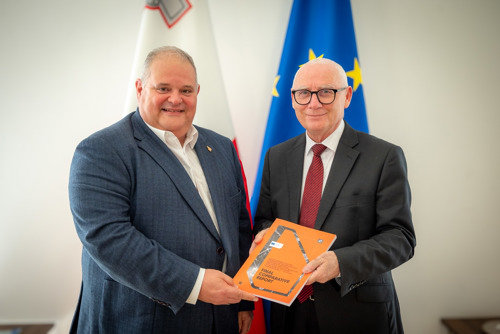
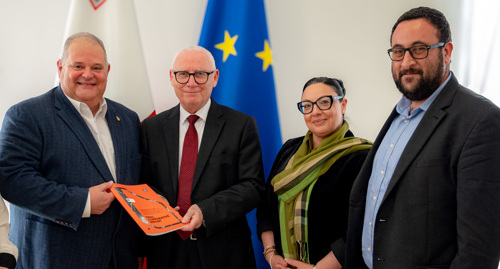
The Parliamentary Ombudsman, Judge Joseph Zammit McKeon, received a delegation from the Malta Chamber to discuss the findings of the TransFormWork 2 Final Comparative Report, which examines the impact of artificial intelligence on the workplace across seven EU countries.
The report, developed as part of the TransFormWork 2 project, analyses how artificial intelligence and algorithmic management are reshaping employment relations, working conditions, and regulatory frameworks in Bulgaria, Cyprus, Ireland, Italy, Malta, Poland, and Romania. It highlights both opportunities and risks, including concerns related to transparency, worker involvement, and psychosocial pressures, while also identifying good practices such as training initiatives and ethical AI frameworks. The report supports the development of fair regulation and responsible deployment of AI systems, grounded in the Human in Control principle.
During the meeting, the Ombudsman thanked the Malta Chamber for inviting him to contribute to two key events organised as part of the project. He reiterated that artificial intelligence must remain subject to the rule of law and comply with human rights standards, particularly in relation to privacy, data protection, and non-discrimination.
He emphasised that AI systems must not lead to unfair or opaque decision making and that adequate safeguards, transparency, and accountability mechanisms are essential. He also referred to relevant European legal frameworks and case law, highlighting the risks posed by unchecked use of algorithmic systems and the importance of ensuring that technological development respects human dignity and fundamental rights.
The President of the Malta Chamber, William Spiteri Bailey said, “The TransFormWork 2 project, a collaborative effort across seven EU nations, focused on the profound impact of Artificial Intelligence and algorithmic management on the evolving landscape of work. By prioritising the human-in-control principle, the initiative sought to identify proactive strategies for upskilling and reskilling the workforce to meet future labour demands. Ultimately, the project highlighted that while digital transformation reshapes workplace dynamics, responsible implementation can unlock significant opportunities, foster innovative organizational structures, and enhance working conditions for both employers and employees.”
The meeting emphasised the importance of responsible AI use, the need to maintain human oversight, and the role of education in preparing the workforce for the rapid development of artificial intelligence.
The meeting was also attended by the Malta Chamber CEO, Dr Marthese Portelli, the Head of Media and Communications Strategy at the Malta Chamber, Rachel Bondi Attard Bondi, and the Policy and Projects Coordinator at the Malta Chamber, Fabio Bajada, as well as Mr Jurgen Cassar, Head of Communications and Research at the Office of the Ombudsman.